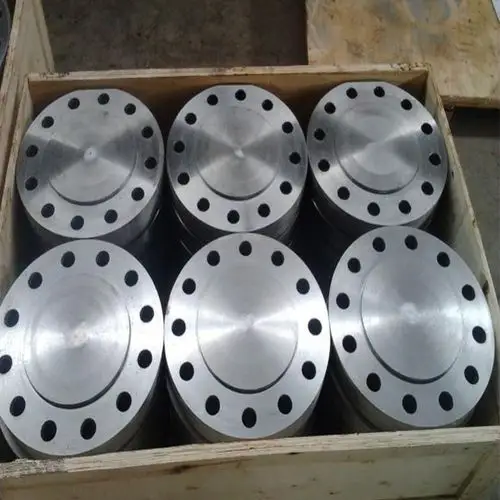




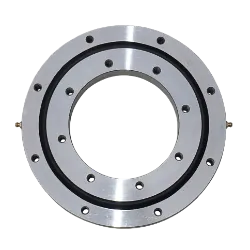
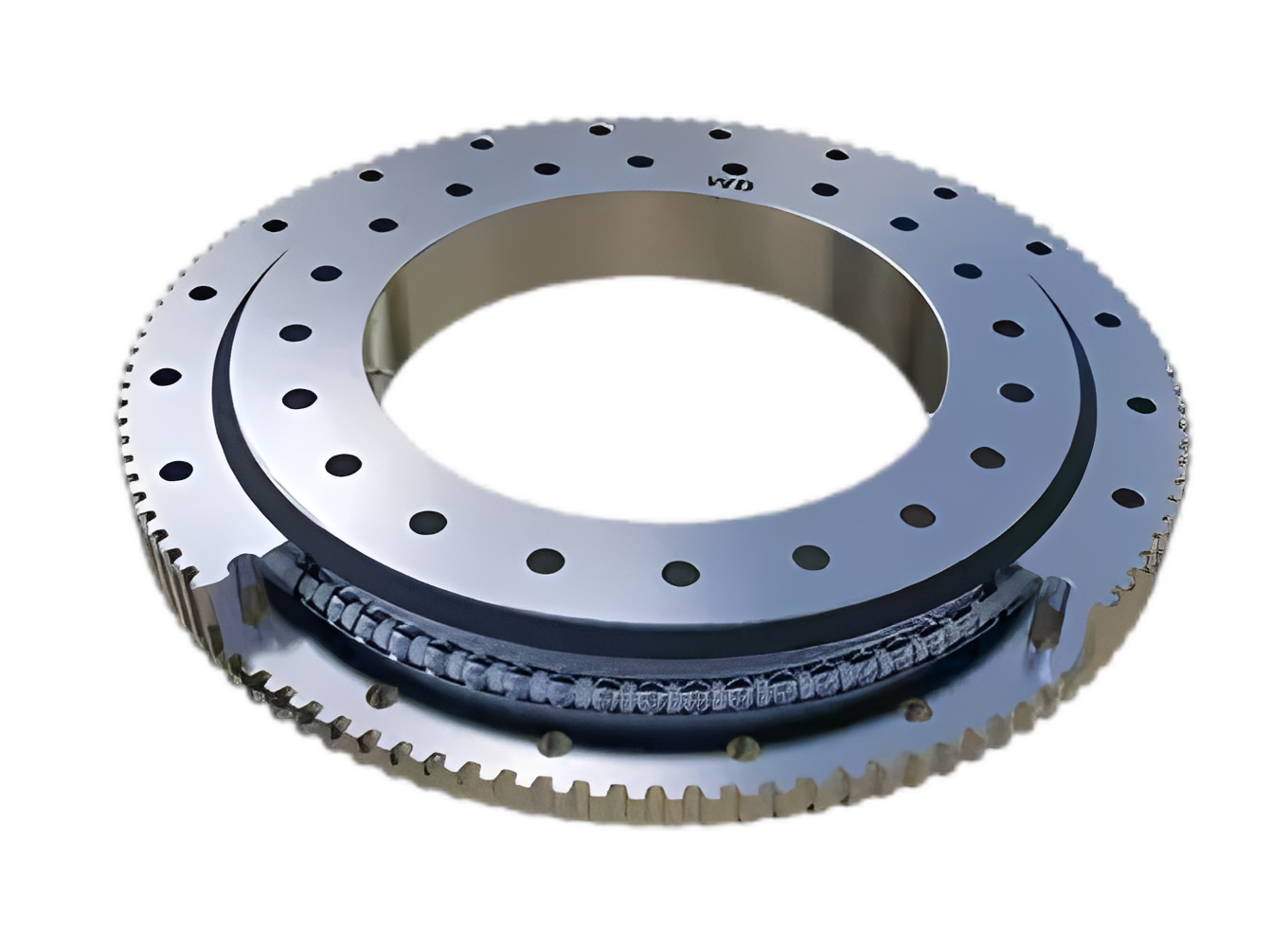
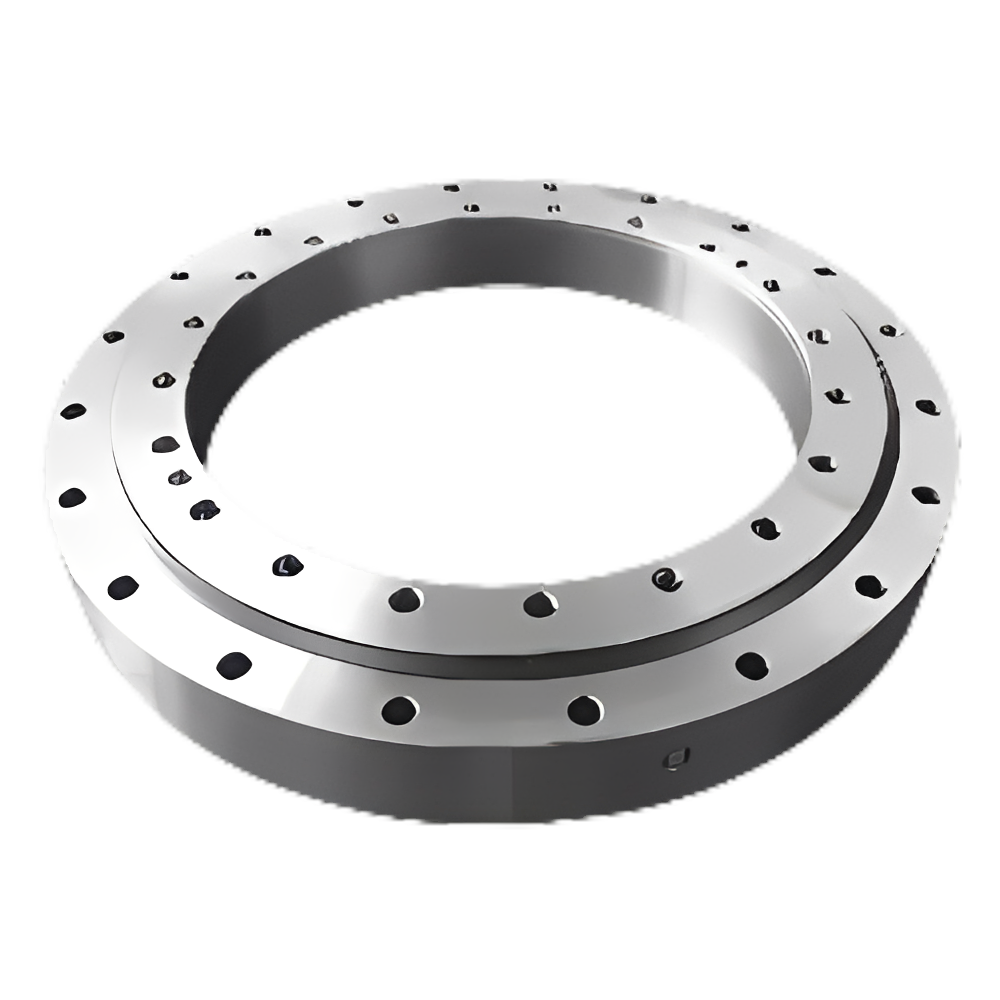
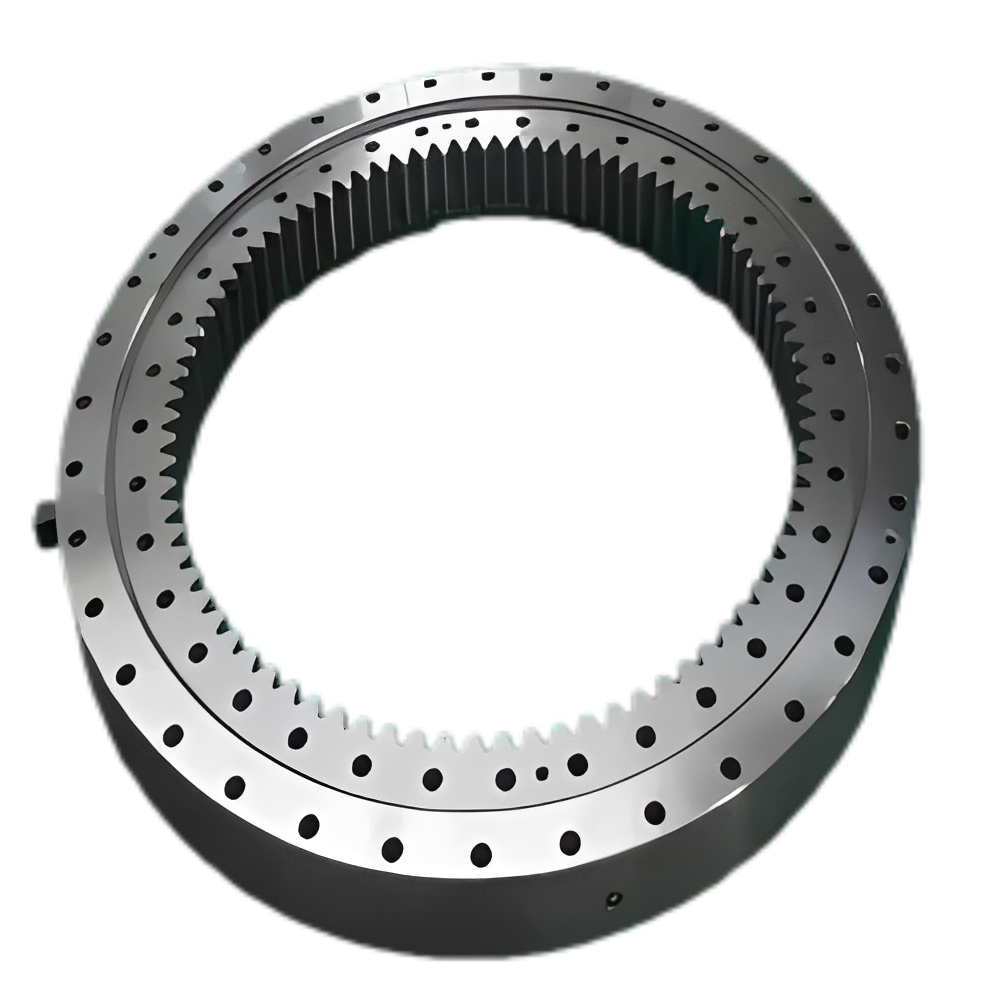
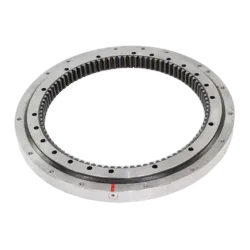

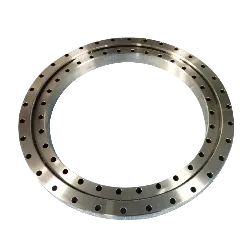
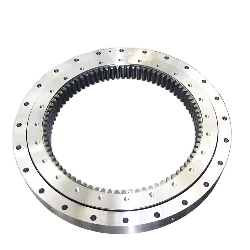


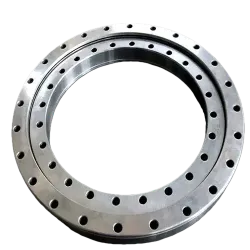
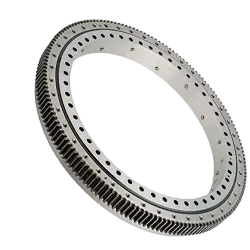
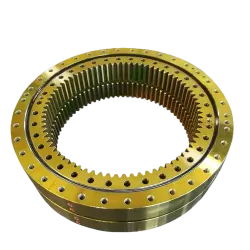

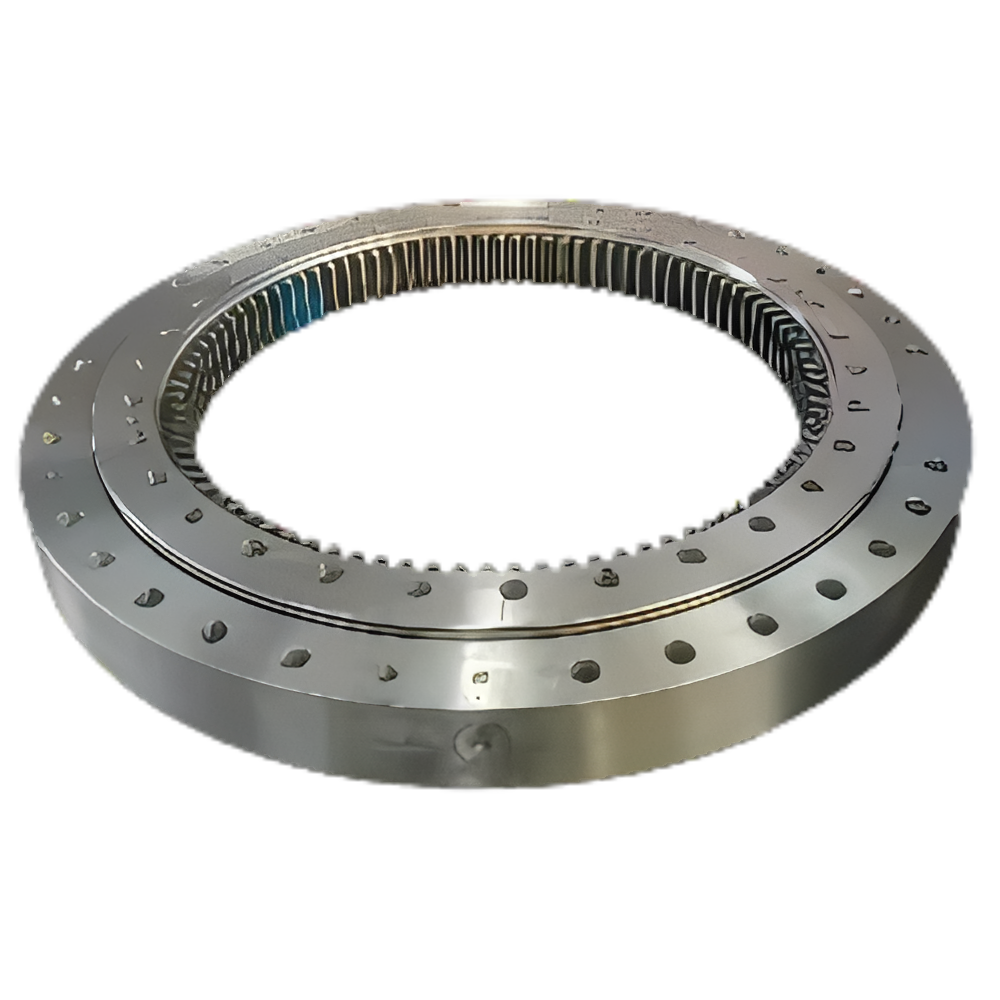


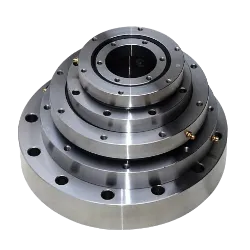



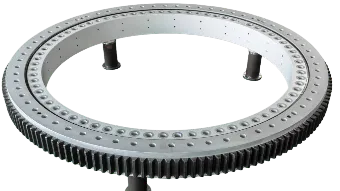
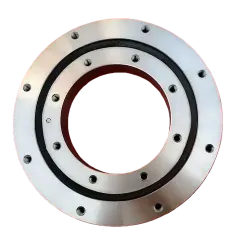
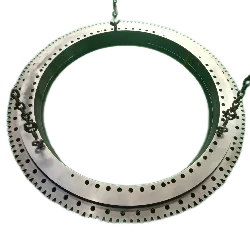

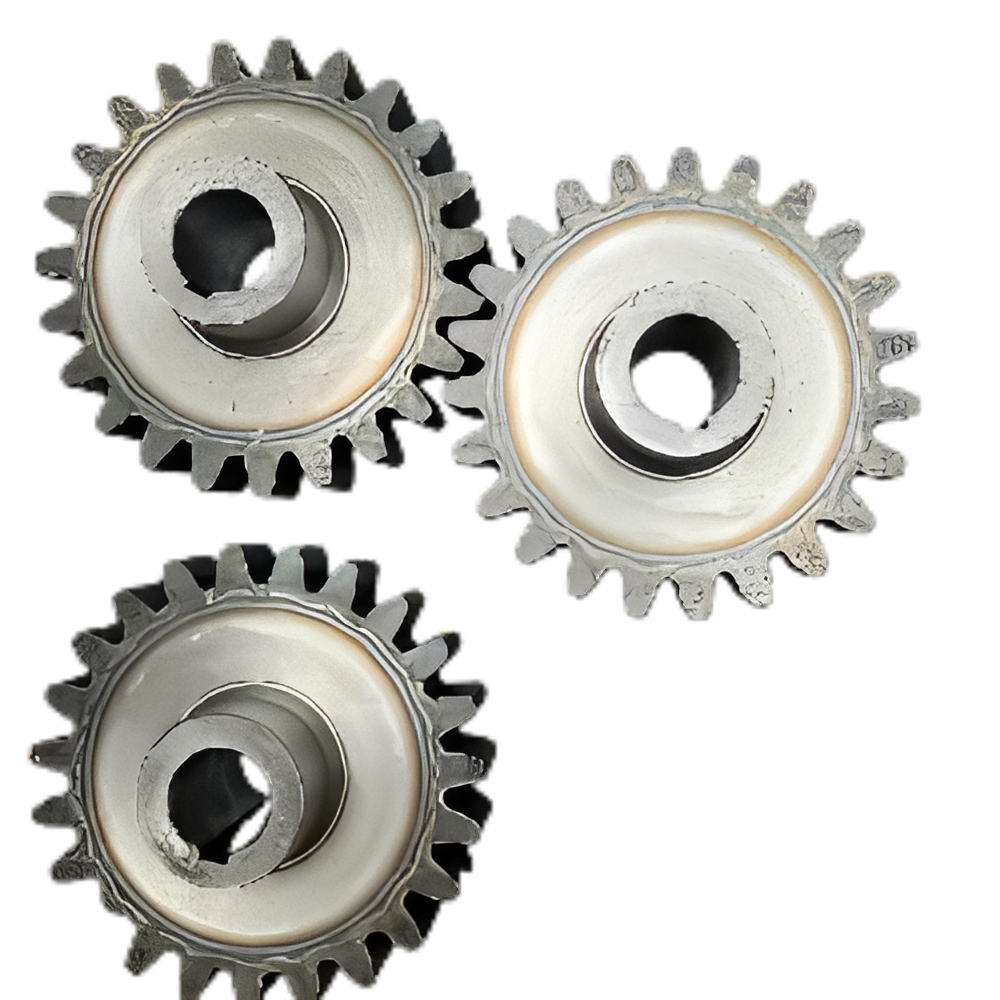
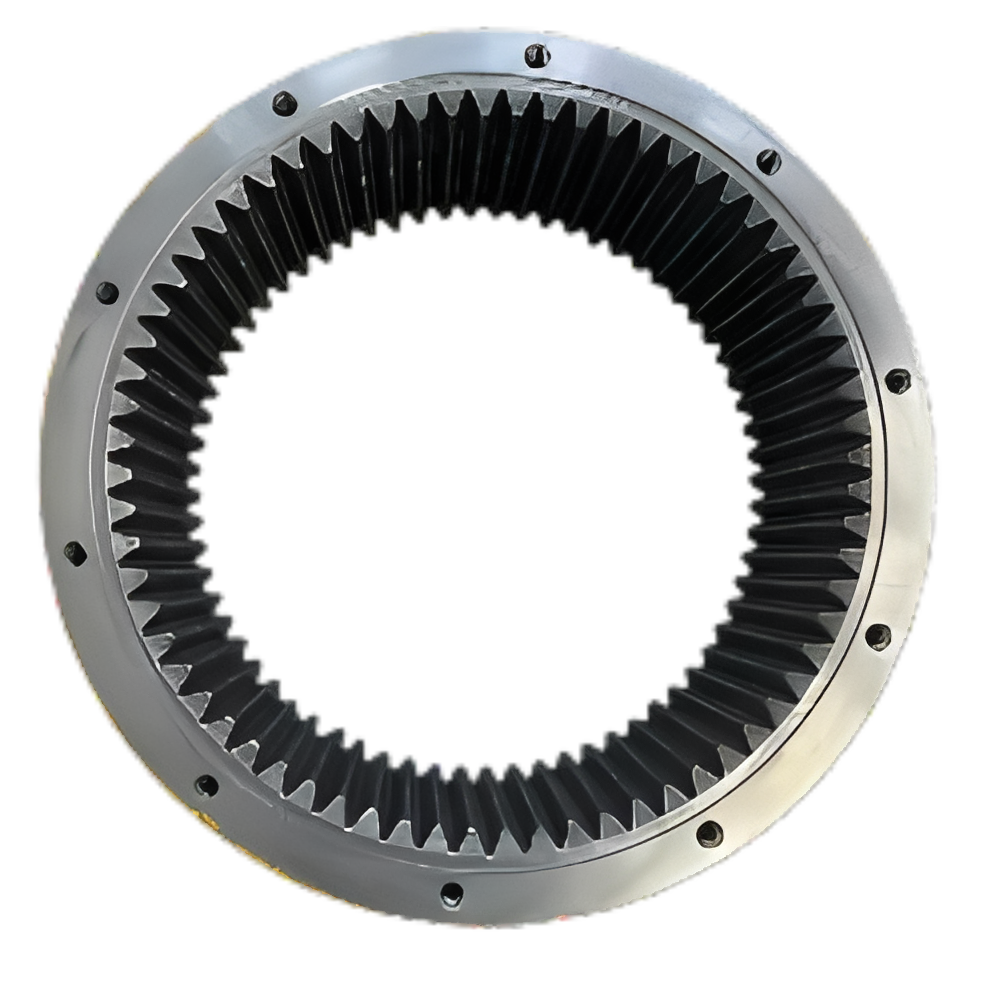
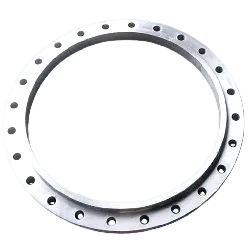
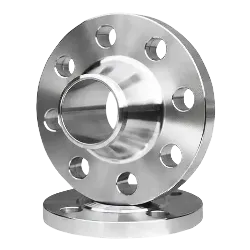
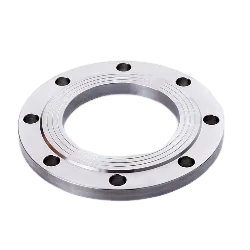

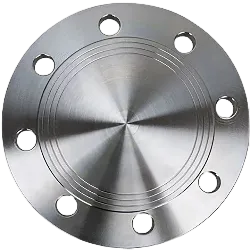
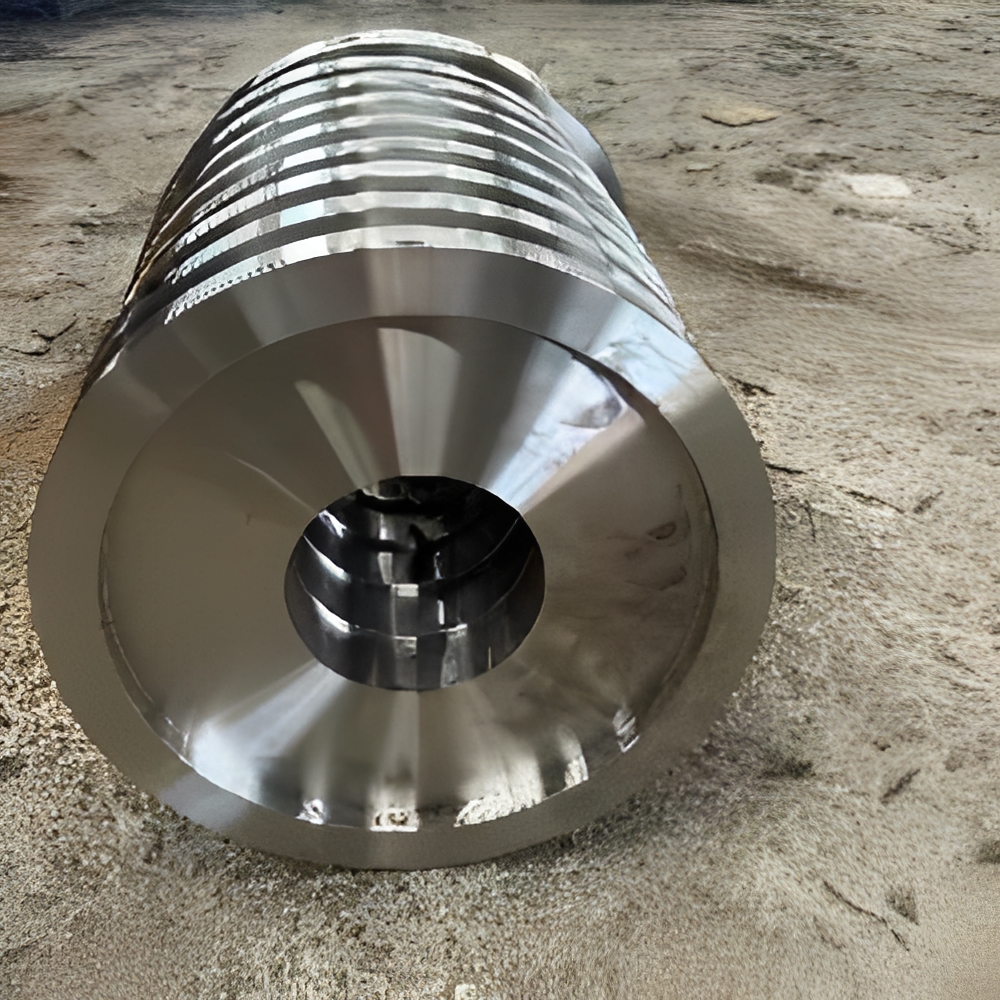
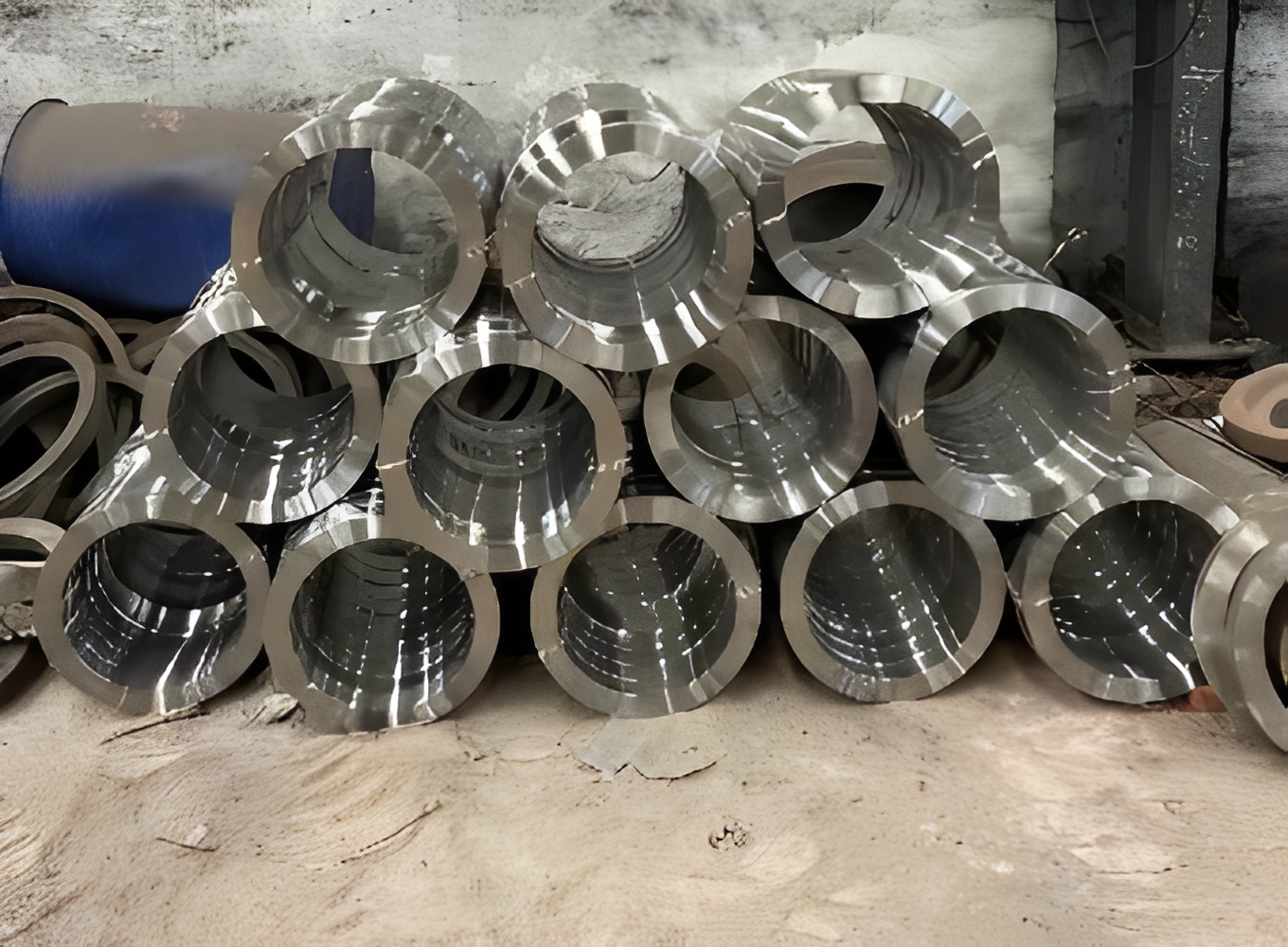
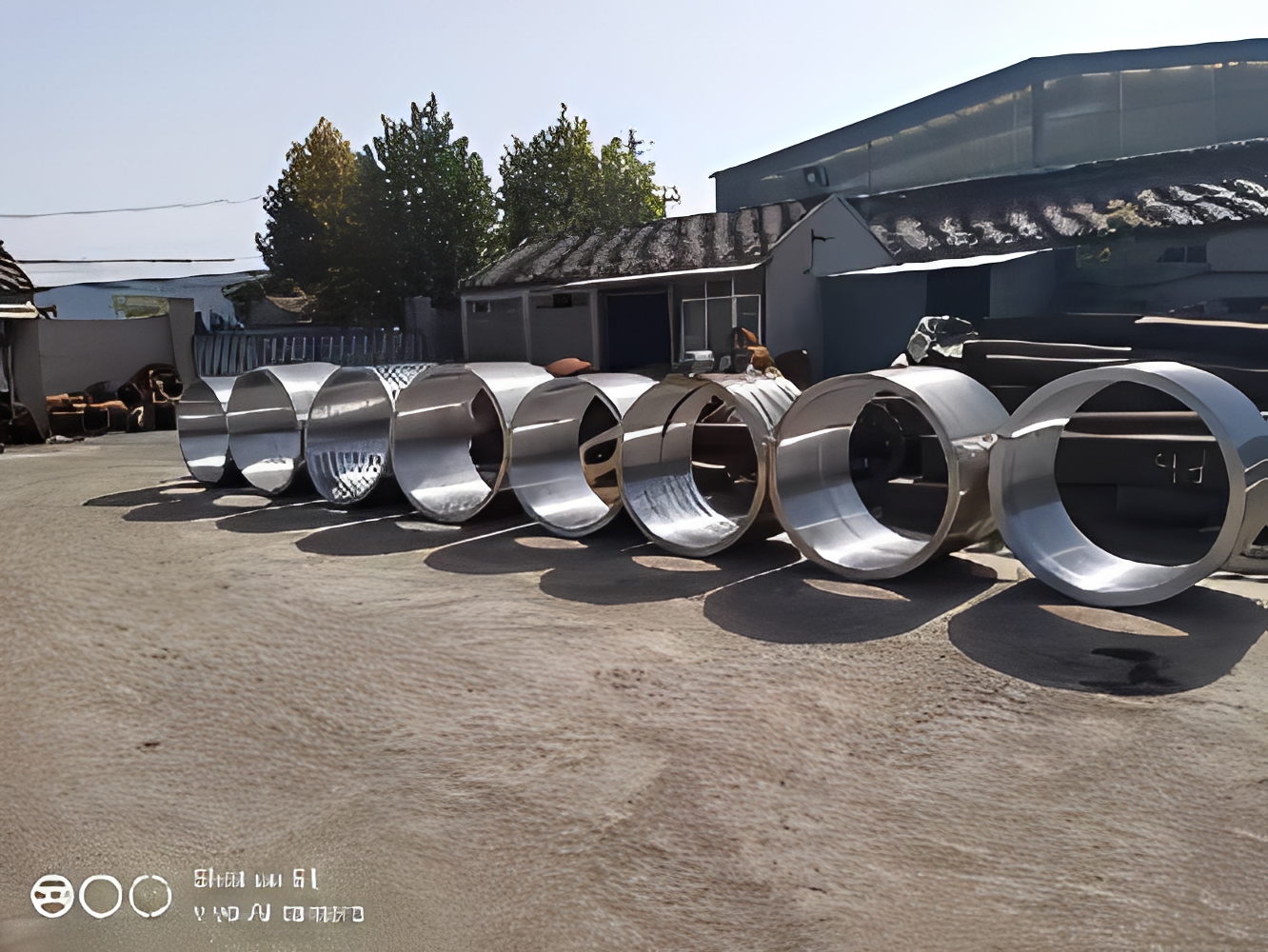
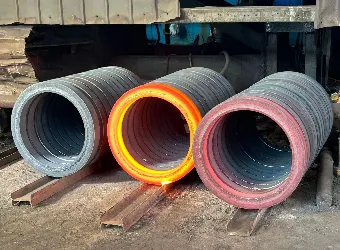
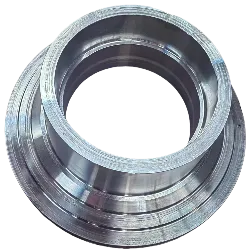

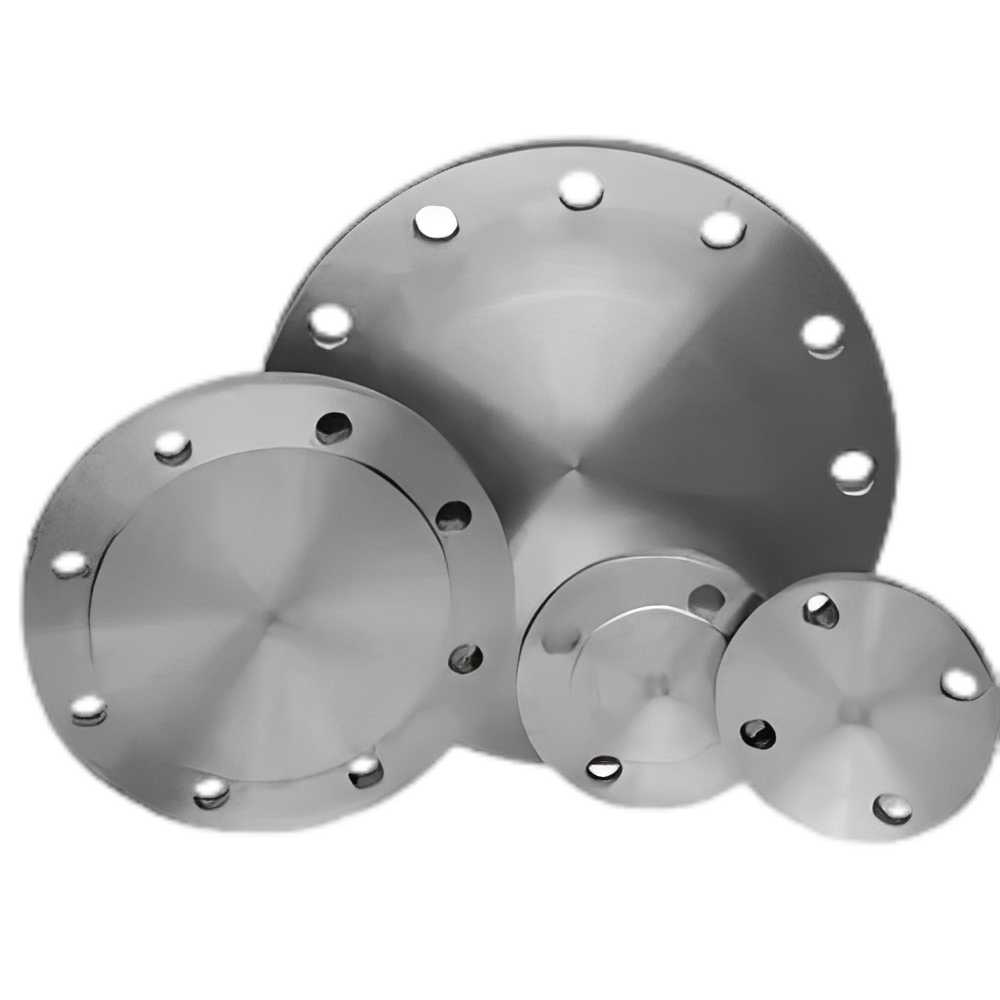
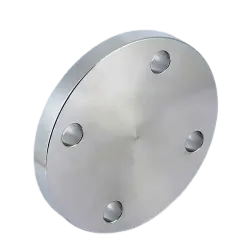
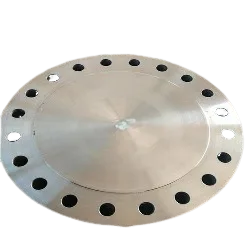
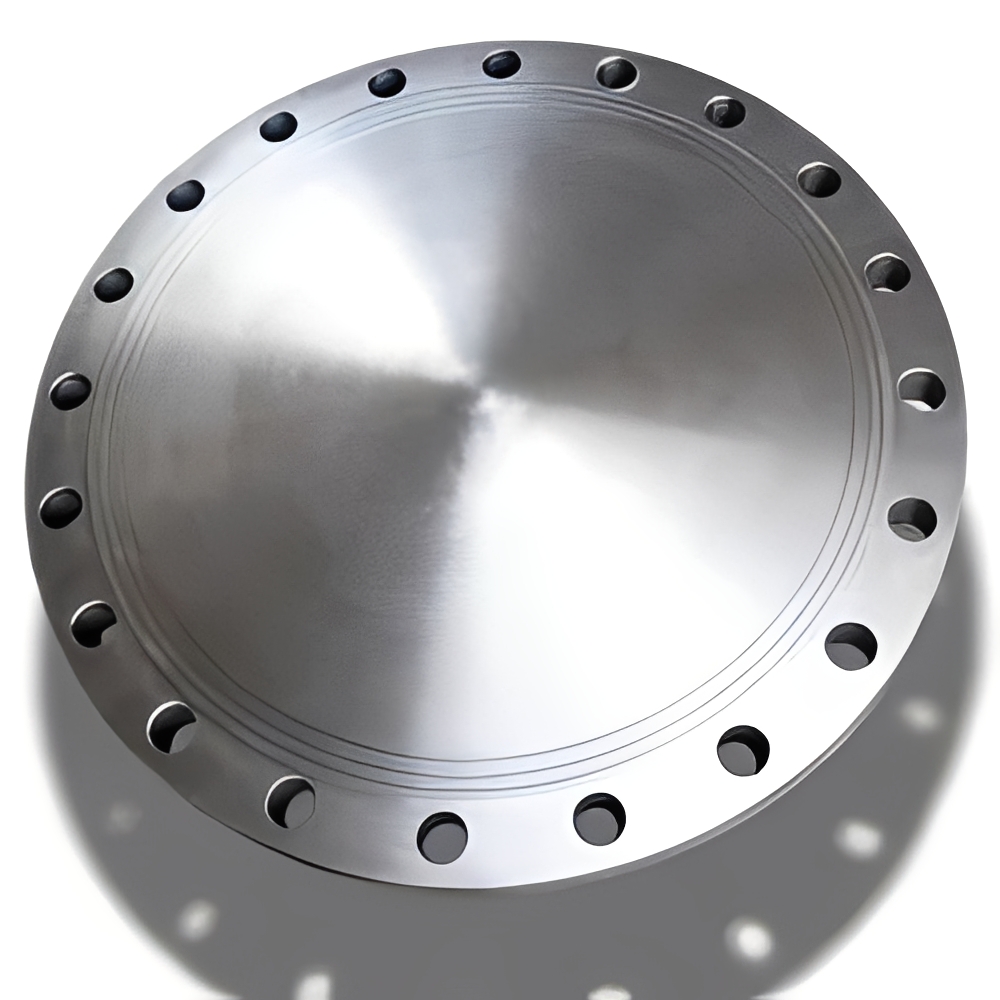
Flat flange plate cover
The flange cover (blind flange) achieves detachable sealing of the pipe port through a solid structure. The flange cover adopts a solid structure and has various sealing surface forms (flat/convex surface/tongue and groove surface, etc.), including bolt hole blind flange and welding blind plate.
Contact Us
Product Description
Flange covers have completely different functional positions from ordinary flanges in industrial piping systems. The former is a closing part and the latter is a connecting part.
1. Differences in core functions
The flange cover (blind flange) realizes the detachable sealing of the pipe port through a solid structure, while the ordinary flange (such as flat welding, butt welding flange) realizes pipe circulation through the middle through hole and bolt connection.
2. Structural design characteristics
The flange cover adopts a solid structure and has various sealing surface forms (flat/ convex surface / tongue and groove surface, etc.), including bolt hole blind flange and welding blind plate. The center through hole of an ordinary flange matches the inner diameter of the pipe, and the number of bolt holes changes with the pressure level. For example, a PN16 grade DN200 flange is equipped with 12 M20 bolt holes.
3. Differences in sealing performance
The welded blind plate achieves a pressure resistance of hundreds of bar through full penetration, while the blind flange relies on gasket sealing, requiring every12-24 months maintenance. The sealing performance of ordinary flanges depends on the gasket material and bolt pretightening force, and requires regular maintenance.
4. Differentiation of application scenarios
Flange cover is suitable for pipeline isolation (maintenance/ pressure test), safety isolation (8-shaped blind plate to prevent leakage) and other scenarios; ordinary flanges are used for pipeline connection and system expansion to facilitate later maintenance.
5. Key points for installation and maintenance
The welded flange cover needs to ensure the quality of the weld, and the bolted type needs to monitor the aging of the gasket. Ordinary flange installation needs to be aligned with the center line, and the focus of maintenance is gasket replacement and anti-corrosion treatment.
6. Materials and standard system
Materials include carbon steel/Stainless steel/alloy steel, optional lining blind plate for corrosive conditions. The implementation standards include the national standard GB/T 9123 (flange cover) and the chemical standard HG/T 20592 (high temperature conditions allow the use of 0Cr18Ni9Ti material at 500°C).
Technical selection suggestions: give priority to welding blind plates for complete isolation, and use plug-in plates for temporary blocking; high voltage/ Select special material flange cover for corrosive conditions. Accurate selection requires comprehensive consideration of pressure level, medium characteristics and operating frequency, and balancing safety and economy.