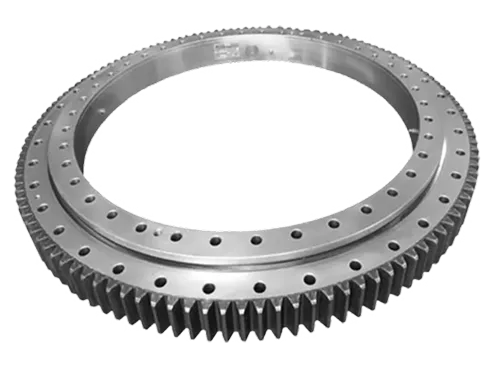
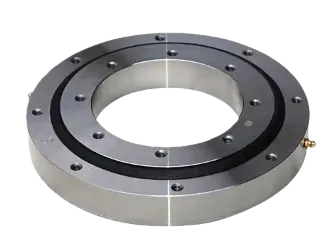
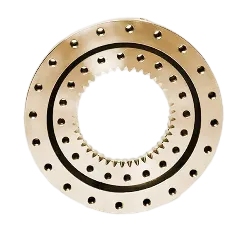
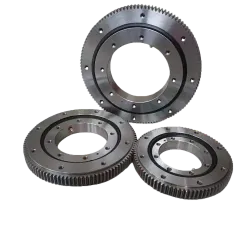
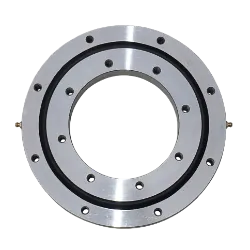
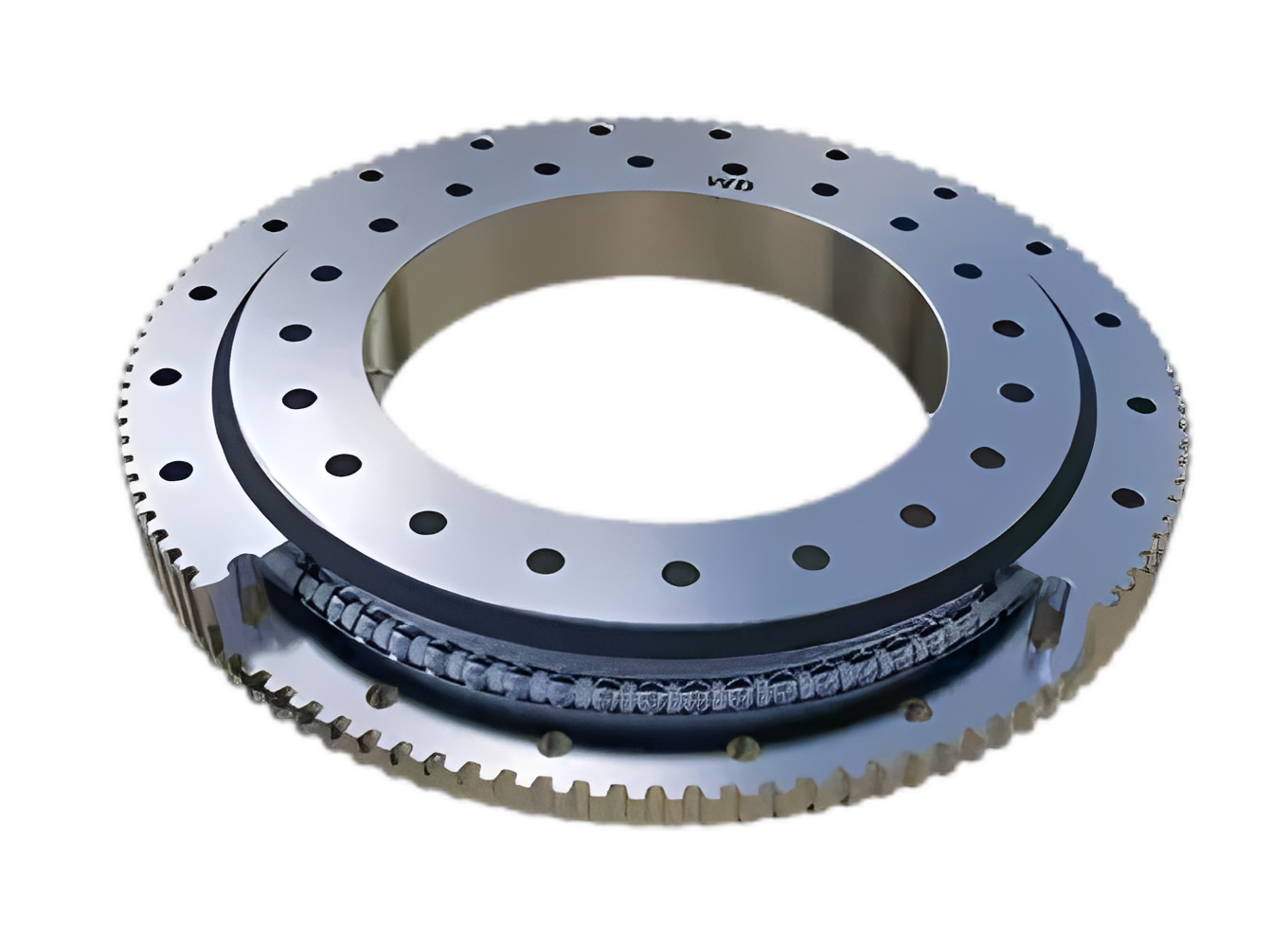
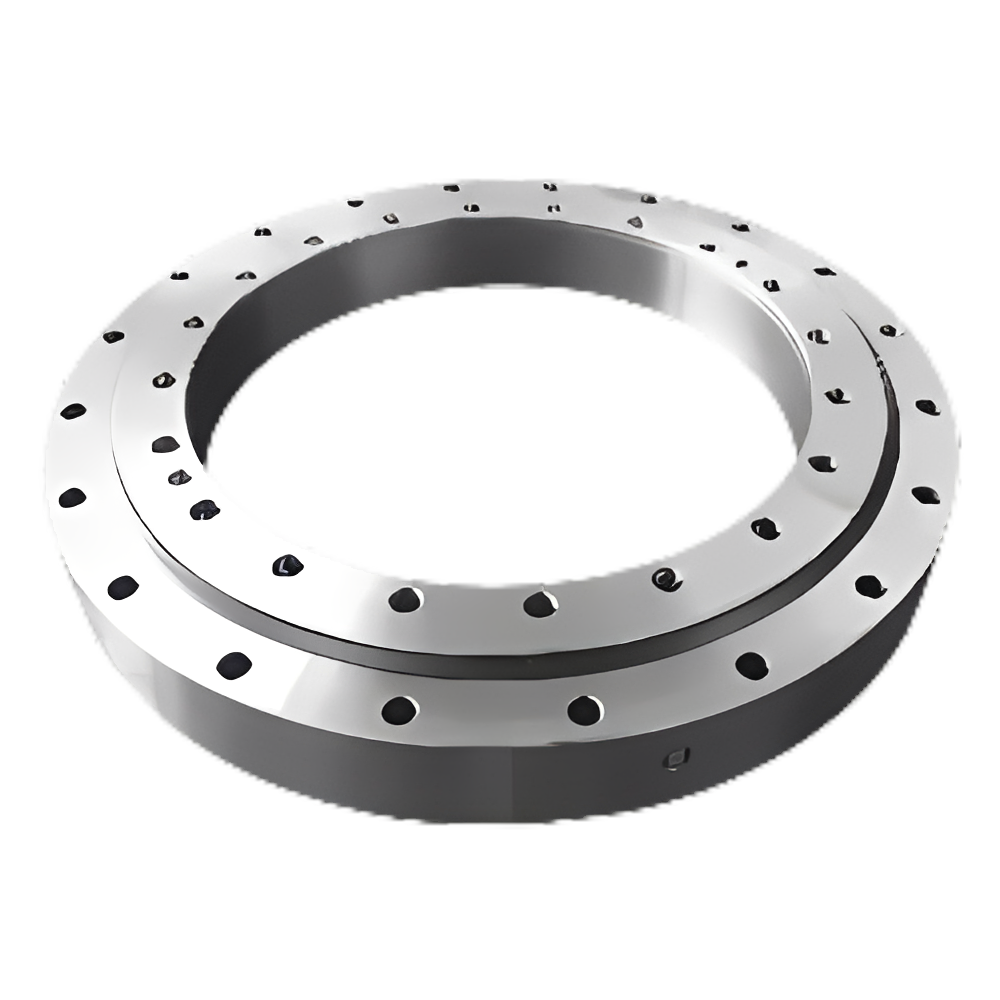
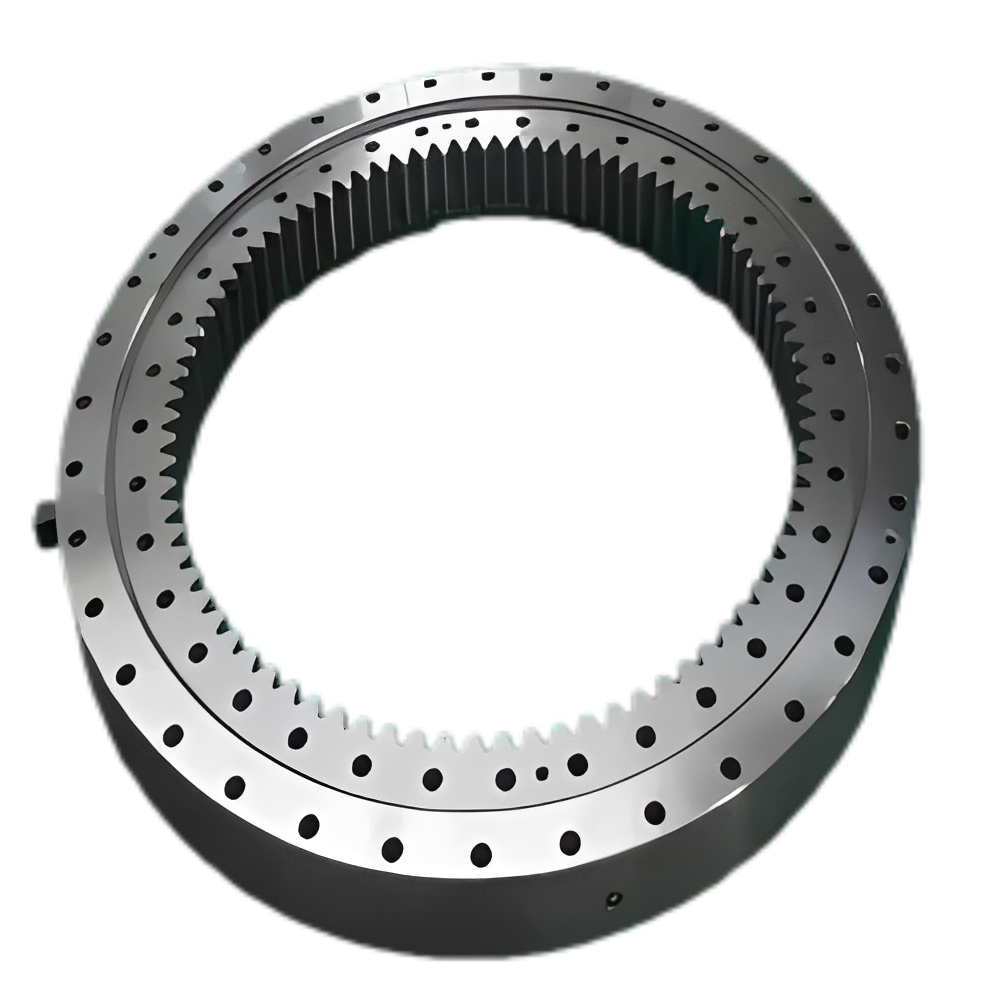
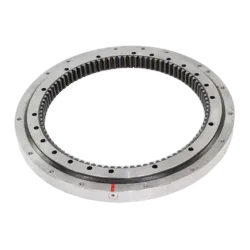
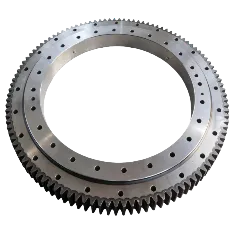
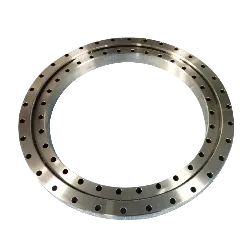
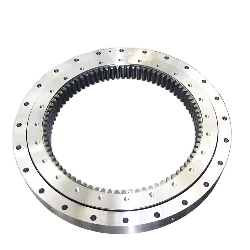
describe

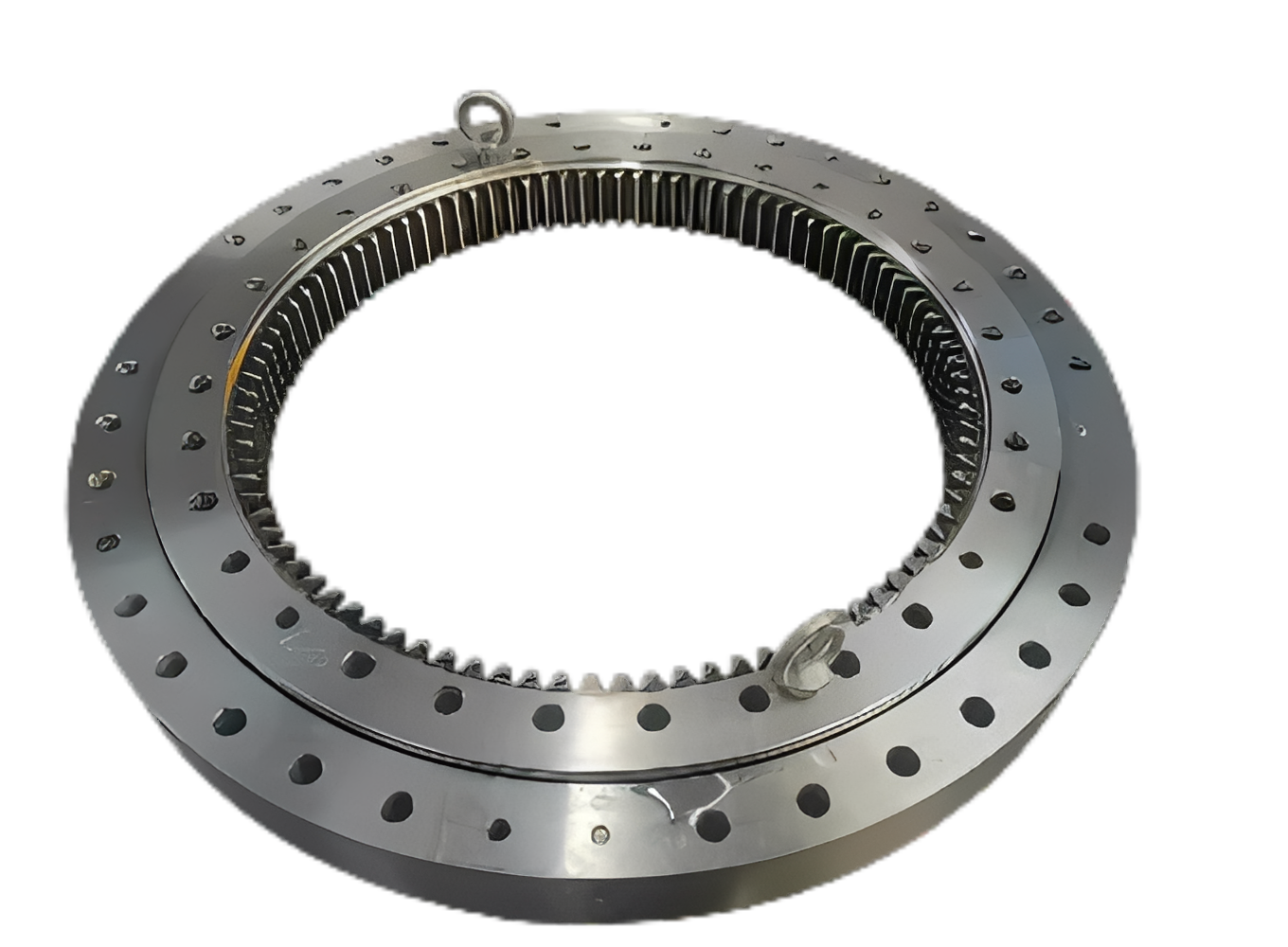
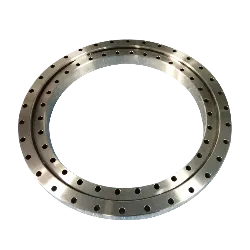
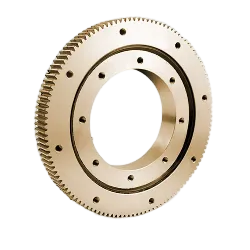
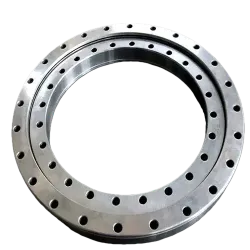
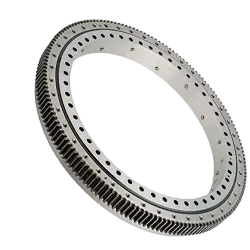
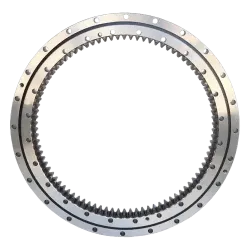
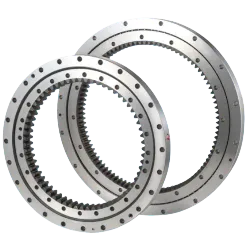
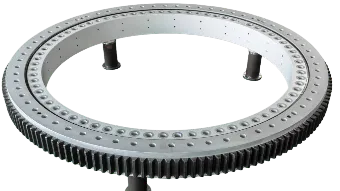
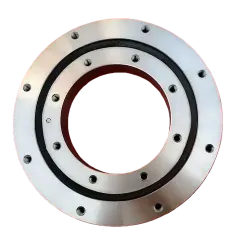
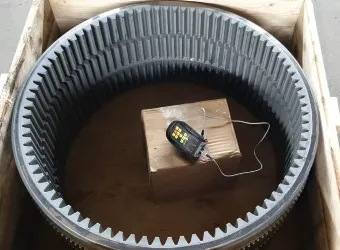
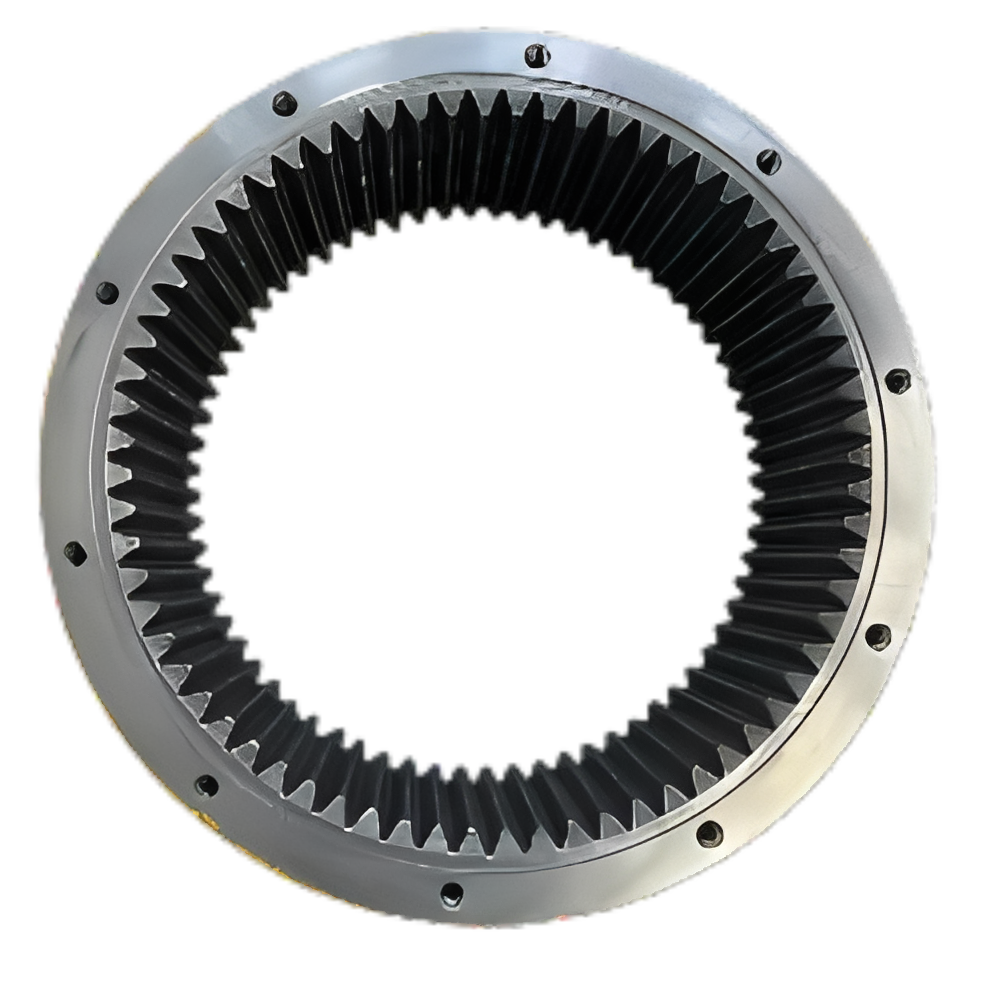
As the rhythmic core of industrial transmission, the precise operation of gear bearings not only stems from the meshing of tooth profiles and raceways, but also relies on the multiple collaborations of material science and structural design. From involute gears that accurately transmit torque, to deep groove ball bearings that carry radial loads; from cylindrical gear pairs that outline the basis of transmission, to tapered roller bearings, spherical bearings, and thrust bearings that cope with complex working conditions—each component carries unique mechanical characteristics and industrial missions. Subtle differences in the proportion of carbon to chromium in the material, precision control of tolerance levels, and different surface quenching processes give gear bearings countless mechanical personalities, allowing them to not only burst out strong power in heavy machinery, but also transmit delicate operations in precision instruments. For engineers, choosing the right gear bearing combination is not only a reflection of technical strength, but also an extension of industrial aesthetics - they are like characters in mechanical poetry, transforming power into a layered symphony of operation.

Deep Groove Ball Bearing: the precision coordinator of industrial rotation

Structure and materials

It consists of an inner ring, an outer ring, steel balls and a cage. The ratio of raceway depth to steel ball diameter has been optimized and designed. Commonly used materials are GCr15 bearing steel (containing 1.0% carbon, 1.5% chromium), with high-end models using ceramic balls (such as Si3N4) or stainless steel (AISI 440C). Surface treatment includes carburizing and quenching (hardness up to HRC60-65), anti-rust coating (such as DLC diamond-like coating), and raceway accuracy is classified according to ISO (P0/P6/P5/P4/P2).

Performance characteristics

  • : Under pure radial load, the rated dynamic load C value can reach 20-200kN (such as 6208 model C=19.1kN), which is suitable for motors, pumps and other uniform-speed running equipment;
  • : Can withstand small axial loads in both directions (≤10% radial load), and adapt to temperature deformation through clearance adjustment (C0/C1/C2/C3/C4);
  • : The limit speed of P0 grade 6205 bearings under grease lubrication reaches 13,000 rpm, and can be increased by 30% under oil lubrication (needs to be matched with a low-resistance cage).

Application scenarios

  • : Motor rotor supports in general machinery (such as three-phase asynchronous motor end cover bearings), conveyor belt rollers;
  • : CNC machine tool spindle (requires P4 level accuracy, radial runout ≤5μm), industrial robot joints;
  • : In high temperature environments (-40℃~120℃), fluororubber sealing rings are optional, and in dusty scenes, a labyrinth dust cover is required (such as mine conveyors).

Selection suggestions

  • General scenario: 6200 series (inner diameter 10-50mm), clearance level C3 suitable for medium loads;
  • High-speed working conditions: 7000 series angular contact ball bearings (contact angle 15°/25°), with oil mist lubrication;
  • Entry-level solution: NSK 6000 series (high cost performance), or domestic HRB brand (accuracy up to P6 level)

Tapered Roller Bearing: Industrial Solver for Compound Loads

Structure and materials

It consists of a tapered inner ring (tapered roller assembly), a tapered outer ring and a stamped cage. The contact angle is designed to be 10°-30° (light-load type 10°-16°, heavy-duty type 25°-30°). The material is made of high-carbon chromium bearing steel (G20CrNiMo), the rollers and raceways are super-finished (surface roughness Ra≤0.2μm), and high-end models use carburizing and quenching processes (effective hardened layer depth 0.8-1.5mm).

Performance characteristics

  • : Can bear radial load and one-way axial load at the same time, and the radial load-bearing capacity is 1.5-3 times that of deep groove ball bearings of the same size (such as 30207 model radial dynamic load rating C=55.8kN, axial C0a=63kN);
  • : Internal clearance is eliminated through axial preloading (such as paired installation), and the rigidity is increased by 40% (suitable for spindle positioning);
  • : The rolling friction coefficient is 0.0015-0.003, which is 80% lower than that of sliding bearings. However, oil lubrication is required when heating at high speeds (the limit speed is 60-70% of that of deep groove ball bearings).

Application scenarios

  • : Excavator slewing support, truck drive axle (need to withstand wheel axial thrust and road impact);
  • : Lathe spindle rear support (paired installation, contact angle 25°, axial stiffness up to 15N/μm);
  • : Rolling mill work roll bearings (heavy-duty 35° contact angle, impact load resistance up to 2.5 times rated value).

Selection suggestions

  • Light load precision: 32000 series (single row, contact angle 15°), suitable for printing press rollers;
  • Heavy-duty impact: 31300 series (reinforced rollers, crown modification design), used in mining crushers;
  • Entry-level solution: NTN 30300 series (price-performance ratio is better than domestic, life coefficient Z=1.3), the axial preload needs to be controlled during installation (it is recommended to use a torque wrench to calculate based on 0.01-0.03D·N·m, D is the bearing inner diameter mm).

Music Scene